Black Beauty: Beyond Skin Deep
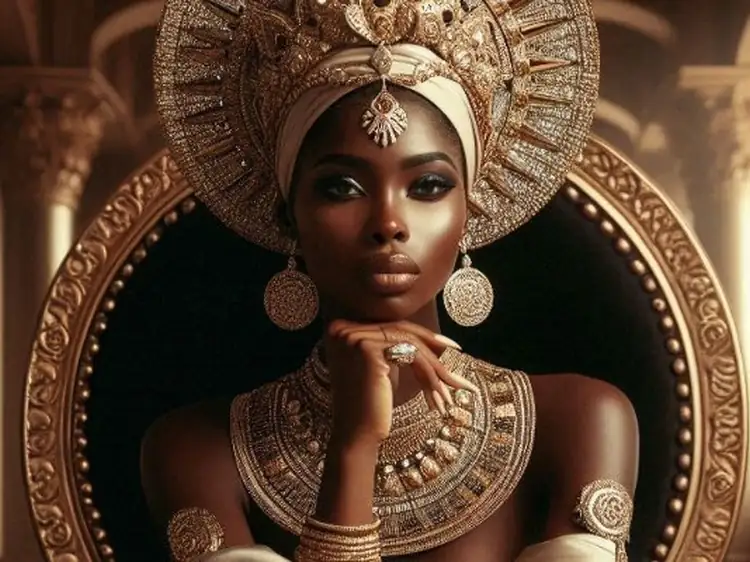
Beauty is often reduced to a matter of color, a shallow metric that fails to capture the rich complexity of human aesthetics. When we say “black beauty,” we reject a mono-dimensional view that equates beauty solely with skin tone. History is replete with examples of extraordinarily beautiful Black individuals—icons whose allure and charisma defied reductive standards—just as there have been those from other racial groups whose physical features, or even behaviors, have not conformed to society’s narrow expectations of beauty.
The Limits of Color as a Measure
Reducing beauty to skin color alone oversimplifies a multi-faceted quality that is influenced by culture, personality, historical context, and individual charisma. Beauty, in its truest sense, is not determined by a single attribute. It is a medley of features, expressions, and even the subtleties of one’s presence. The notion that beauty should be measured exclusively by the color of one’s skin is both a cultural imposition and a historical relic; it ignores the breadth of qualities that make every human unique. Thus, while mainstream standards might suggest one ideal, the reality is that beauty transcends such arbitrary confines.
Challenging Stereotypes and Historical Bias
For centuries, dominant narratives have elevated certain features and excluded others, leading to stereotypes that equate “beauty” with whiteness. In contrast, African and diasporic cultures have long celebrated a diversity of features that do not adhere to these narrow molds. From the regal portraits of historical figures to the vibrant expressions in modern art, Black beauty has been celebrated on its own terms—an affirmation that beauty is not a privilege of one race. At the same time, it is important to recognize that superficial standards have also deemed some white individuals as unattractive by the same rigorous, subjective measures that celebrate Black beauty. This dialectic reinforces the idea that beauty is subjective and culturally constructed rather than an inherent quality dictated solely by color.
Embracing a Broader Definition of Beauty
True beauty lies in its diversity. Whether it is the warmth of a smile, the depth of one’s eyes, or the unique contours of a face, beauty manifests in myriad forms that defy easy categorization. Black beauty is a celebration of resilience, creativity, and the power of self-expression. It invites us to see beyond color—to cherish history, experience, and character. In doing so, we acknowledge that beauty is not exclusive to any one race. By broadening our understanding, we confront long-held prejudices and make space for a more genuine and inclusive appreciation of all people.
A Call to Look Beyond the Surface
By claiming that beauty is not solely a matter of color, we challenge everyone to reconsider how we define and recognize beauty. It is a call to look beyond the skin and appreciate the nuances, the stories, and the individuality of each person. This perspective not only honors the legacies of beautiful Black figures throughout history but also creates room for a more balanced view—a view that admits that, on any given scale, beauty and its absence are not confined by race. In this way, we can move away from divisive standards and embrace a world where beauty is understood as a rich, diverse, and deeply human quality.