Humans Can Live in Harmony with Artificial Intelligence
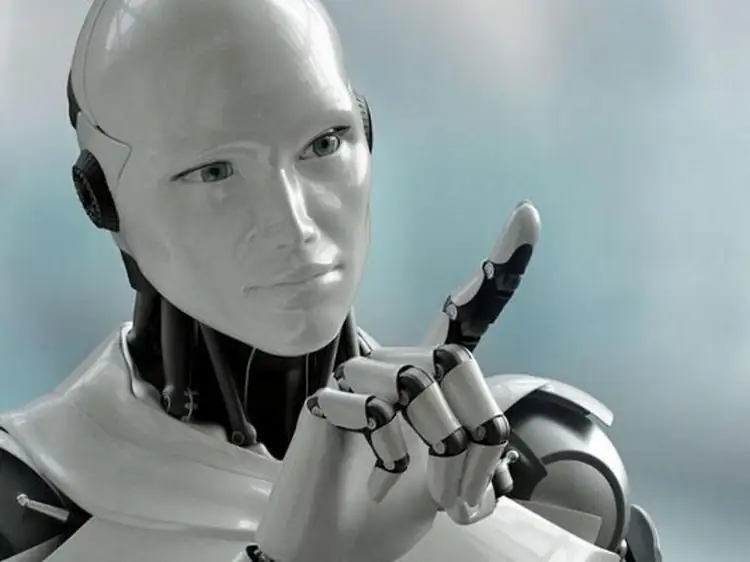
In today’s rapidly evolving technological landscape, artificial intelligence (AI) has woven itself into nearly every facet of our lives—from the personalized recommendations on our smartphones to the advanced diagnostics in modern medicine. As AI continues to push the boundaries of what machines can do, a common concern has emerged: will the rise of intelligent systems lead to widespread job losses and societal upheaval? Yet, history—specifically the transformative changes brought about by the Industrial Revolution—offers a compelling counter-narrative. Just as humans once adapted to mechanized production and redefined their roles in society, we now stand at the threshold of a new era—one where harmonious coexistence with AI is not only possible but could propel human potential to unprecedented heights.
The Expanding Role of AI in Everyday Life
Today, AI influences our daily routines in profound and varied ways. Its capabilities extend far beyond automating mundane tasks; AI now assists with complex decision-making, optimizes industries from healthcare to finance, and even enhances creative pursuits. This technological integration means opportunities for collaboration abound. In workplaces, AI acts as a partner, handling repetitive or data-intensive tasks while allowing humans to focus on strategy, innovation, and interpersonal skills—the very strengths that bypass algorithmic replication. By complementing human creativity and adaptability with machine precision and speed, AI enriches human work rather than replacing it outright.
Learning from the Industrial Revolution
Skeptics often evoke the fear of job loss when new technologies emerge, and the advent of AI has been no exception. However, if we cast our eyes backwards to the Industrial Revolution, a striking similarity reveals itself. The introduction of mechanized processes once spurred deep concerns about mass unemployment. Yet, history demonstrates that while certain job roles became obsolete, entirely new domains of opportunity arose. Workers transitioned into positions that required complex problem-solving, creativity, and management skills—areas where human ingenuity flourished. This historical perspective reassures us that technological revolutions create a dynamic environment in which the workforce adapts, retrains, and evolves in step with emerging trends.
Embracing a New Human-AI Partnership
The key to a future where humans and AI coexist lies in redefining our relationship with technology. Rather than viewing AI as a rival for jobs, we can see it as an enabler of human progress. This outlook encourages investment in education and workforce training, allowing people to acquire new skills that harness AI’s potential. By integrating AI into an ecosystem where humans retain control over the direction and ethical framework of its application, society can foster a synergistic relationship collaboration over competition. This partnership encourages continuous learning and adaptation, where new career fields and roles—many of which we have yet to imagine—are generated through innovative dialogue between human intuition and machine intelligence.
Aligning AI with Human Values
A harmonious coexistence also hinges on ensuring that AI systems are designed to reflect human values. As emerging research suggests, building ethical and reliable AI isn’t solely about advanced algorithms—it’s about embedding principles of fairness, accountability, and transparency throughout the development process. When AI is guided by clear ethical standards, its deployment in various industries can enhance public welfare while mitigating risks associated with biased or unchecked decision-making. A human-centric approach to AI design prioritizes safety and inclusivity, ensuring that as the technology matures, it reinforces the very values that define our society rather than undermining them.
Preparing for the Future
Moving forward, governments, industries, and communities must work together to navigate the exciting yet challenging terrain of AI integration. This involves proactive policy-making, robust investment in lifelong education, and open dialogue about the ethical dimensions of AI. By framing the narrative around opportunity and transformation rather than threat, we set the stage for societies that are both resilient and innovative. Embracing the lessons from the Industrial Revolution—where adaptation and reinvention were key—can help us steer toward a future in which AI serves as a catalyst for human advancement, not a harbinger of obsolescence.
Conclusion
Humans can live in harmony with artificial intelligence by reimagining the evolving relationship between man and machine. History shows that every leap in technology has spurred analogous shifts in the labor market and societal structure, prompting us to develop new skills and redefine what it means to work. The integration of AI offers the promise of a future where human creativity and machine intelligence form a powerful alliance, driving progress while safeguarding the values and opportunities that empower us. Overcoming current fears requires a commitment to ethical AI practices, forward-thinking policies, and an unwavering belief in the capacity of humanity to adapt and flourish alongside its own innovations.